Kaziranga Jungle Escape
About Project:
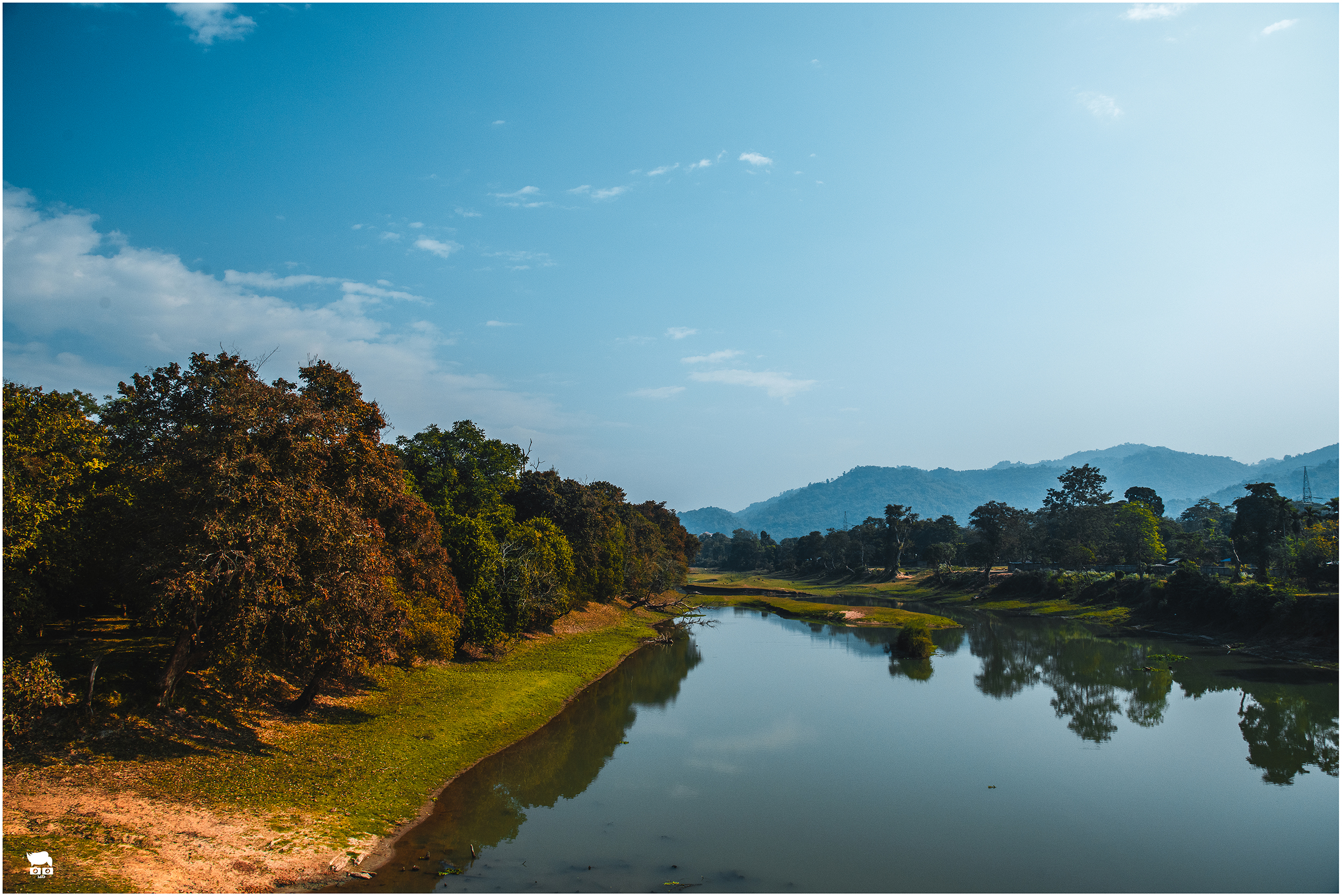
Kaziranga National Park, located in the northeastern state of Assam, India, is one of the most renowned wildlife sanctuaries in the world. Spanning
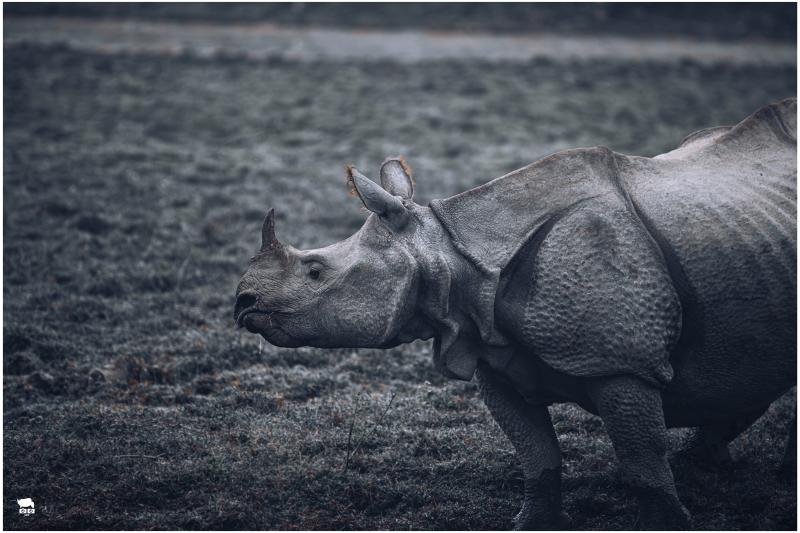
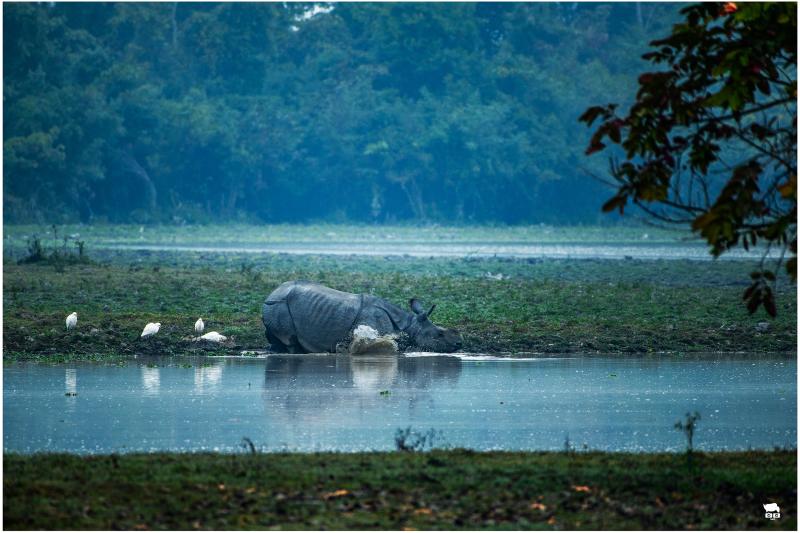
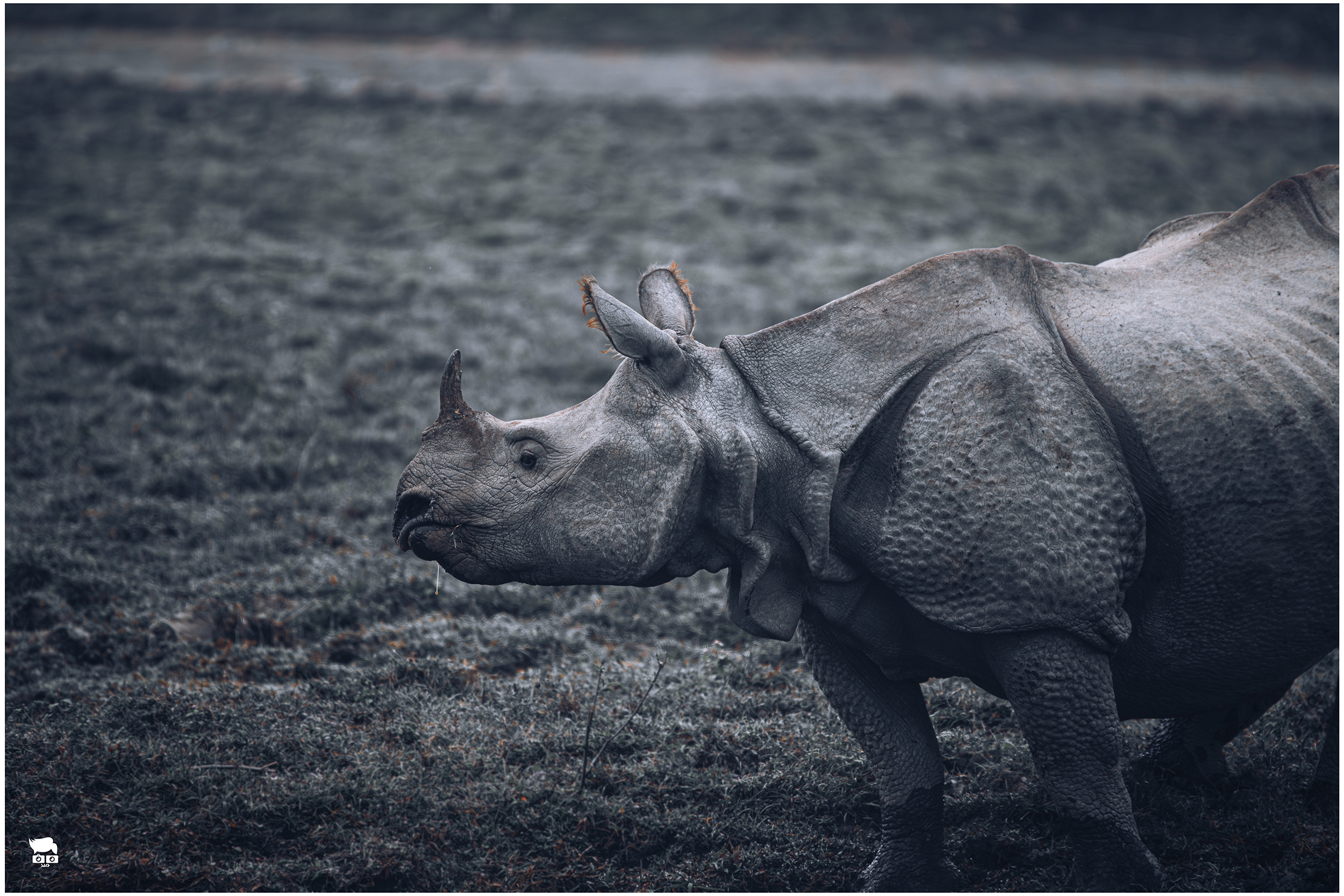
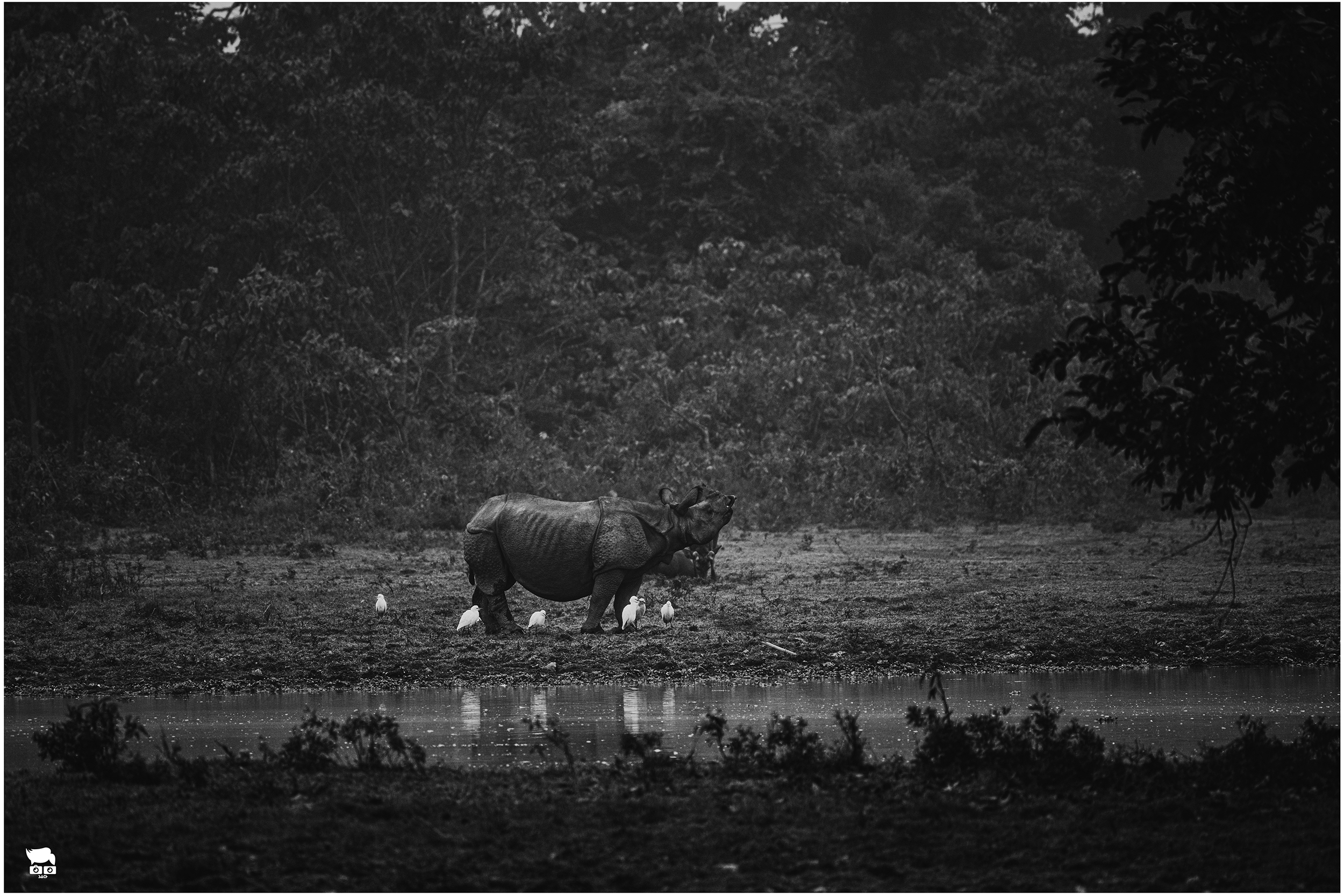
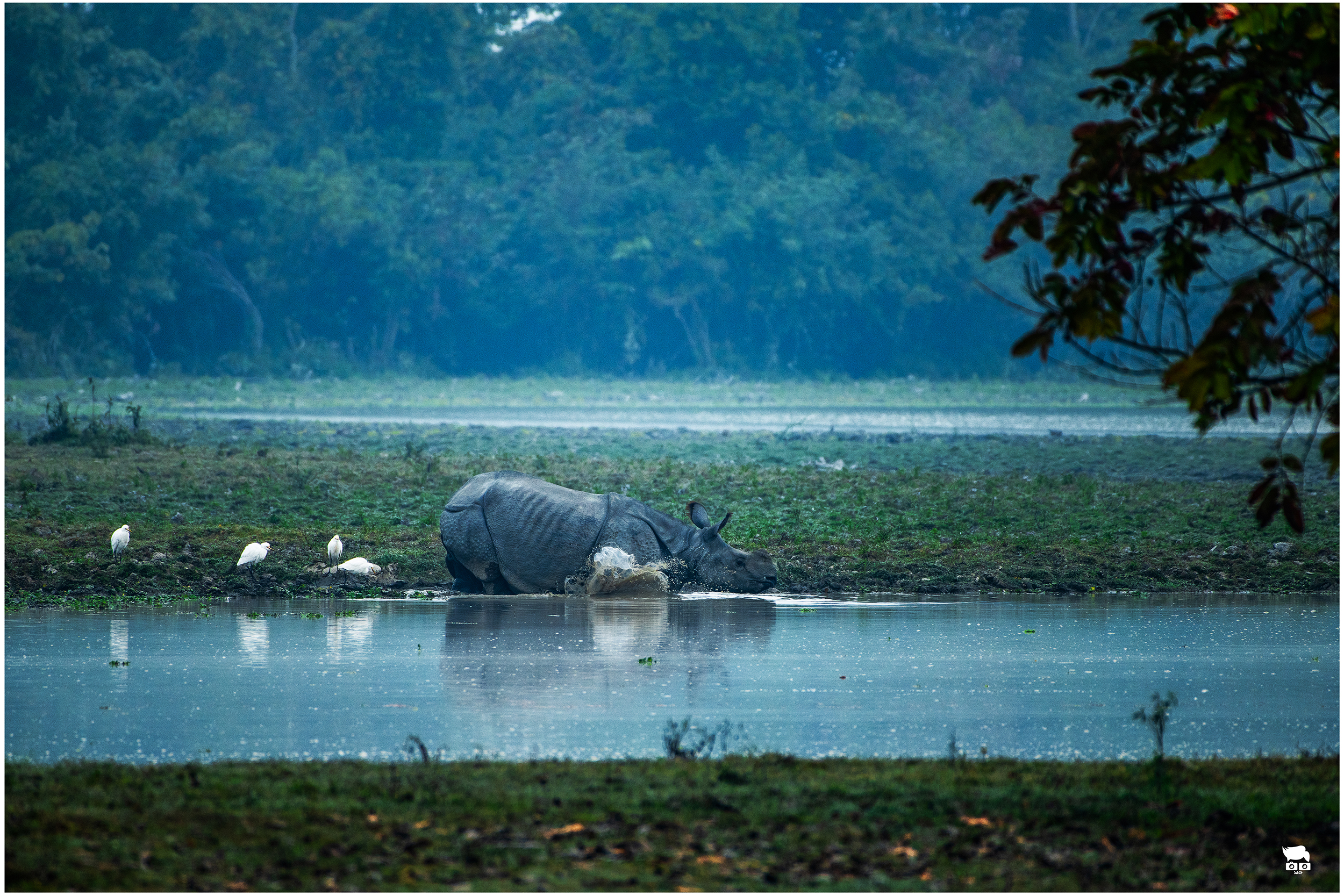
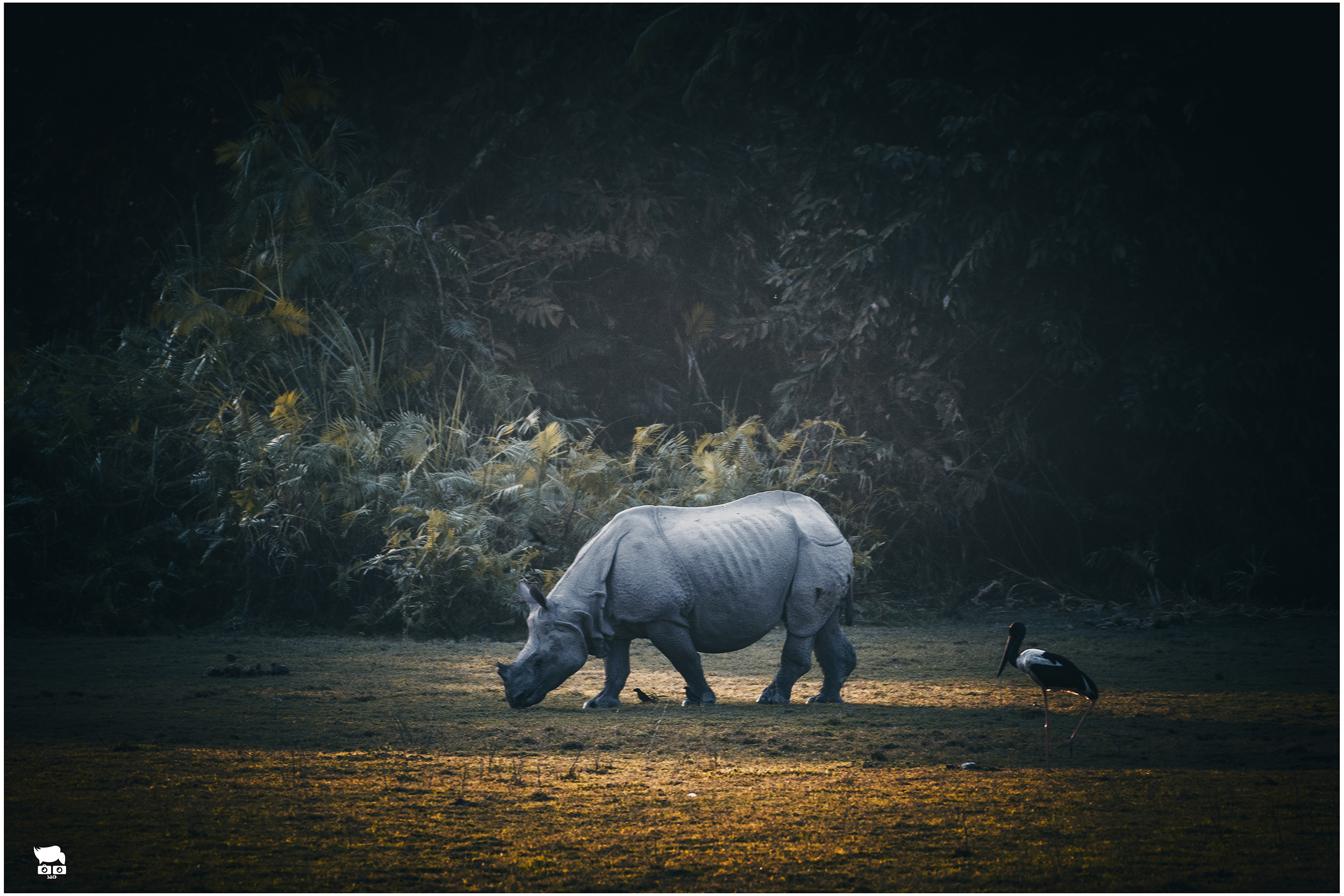
over 1,000 square kilometers, this UNESCO World Heritage Site is famed for its population of the Indian one-horned rhinoceros, with over two-thirds of the world’s population residing here.
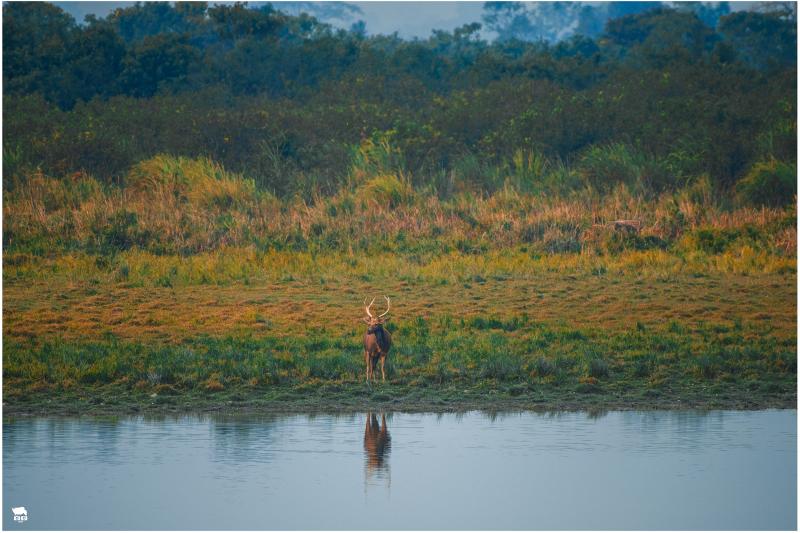
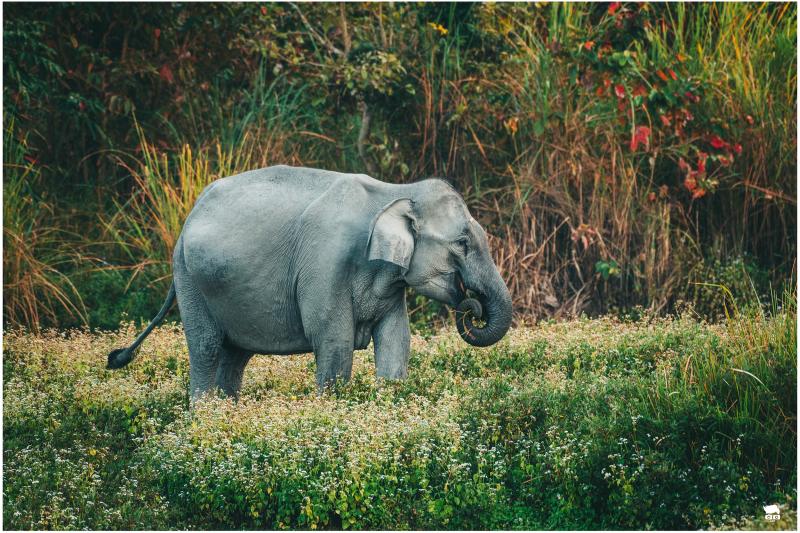
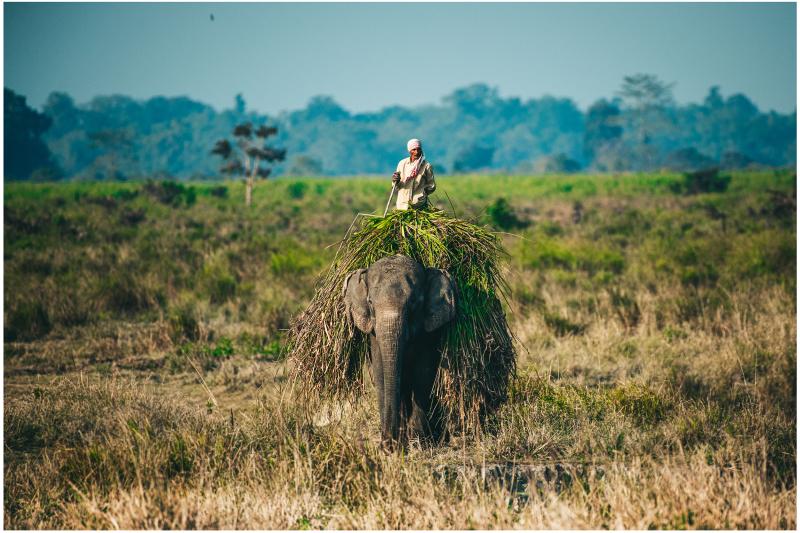
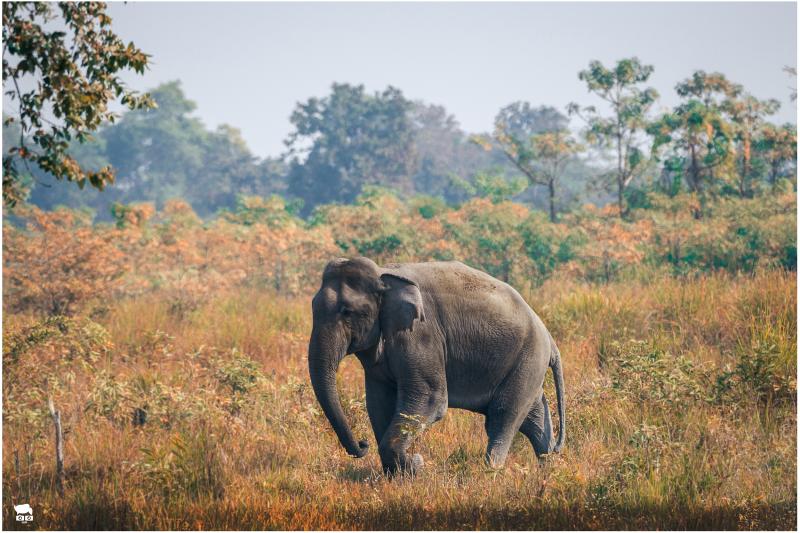
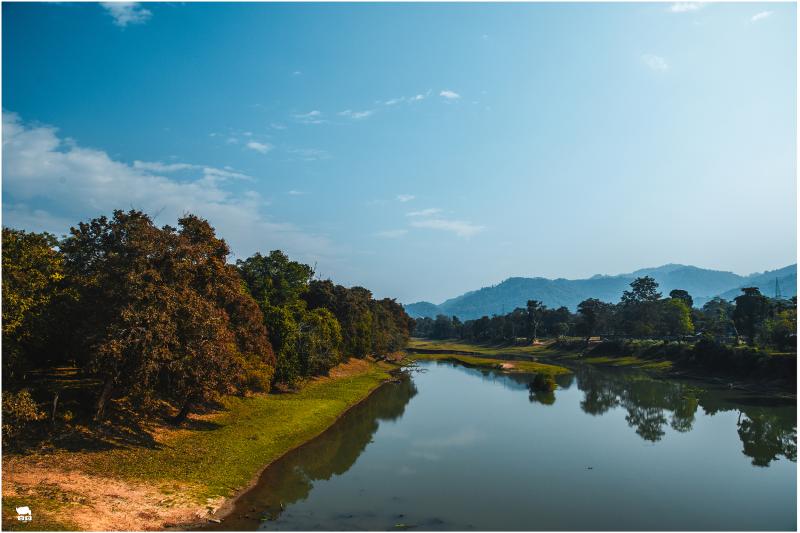
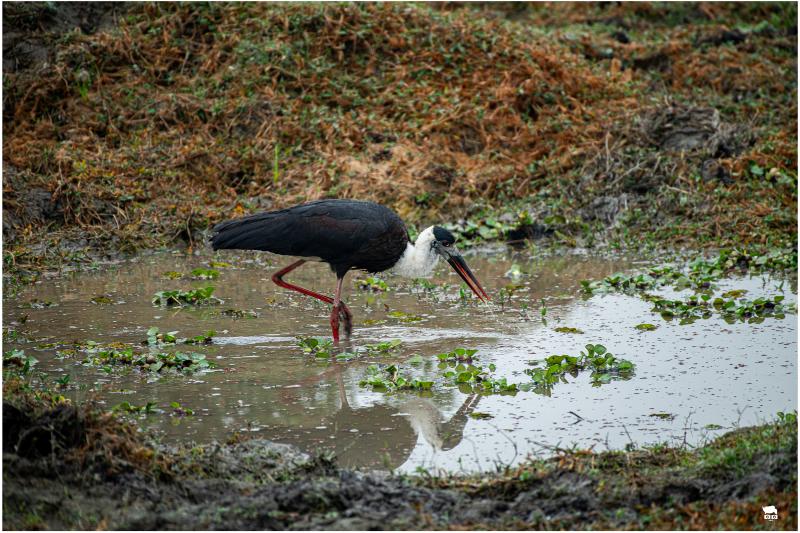
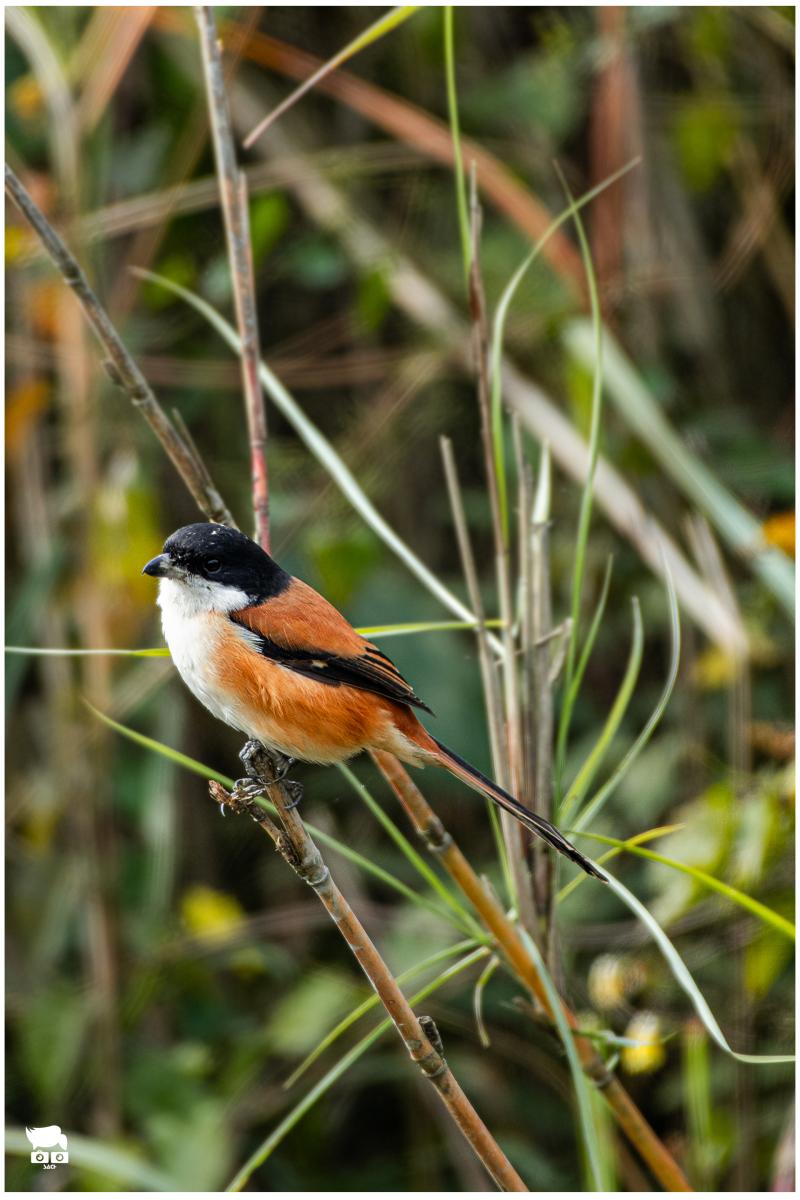
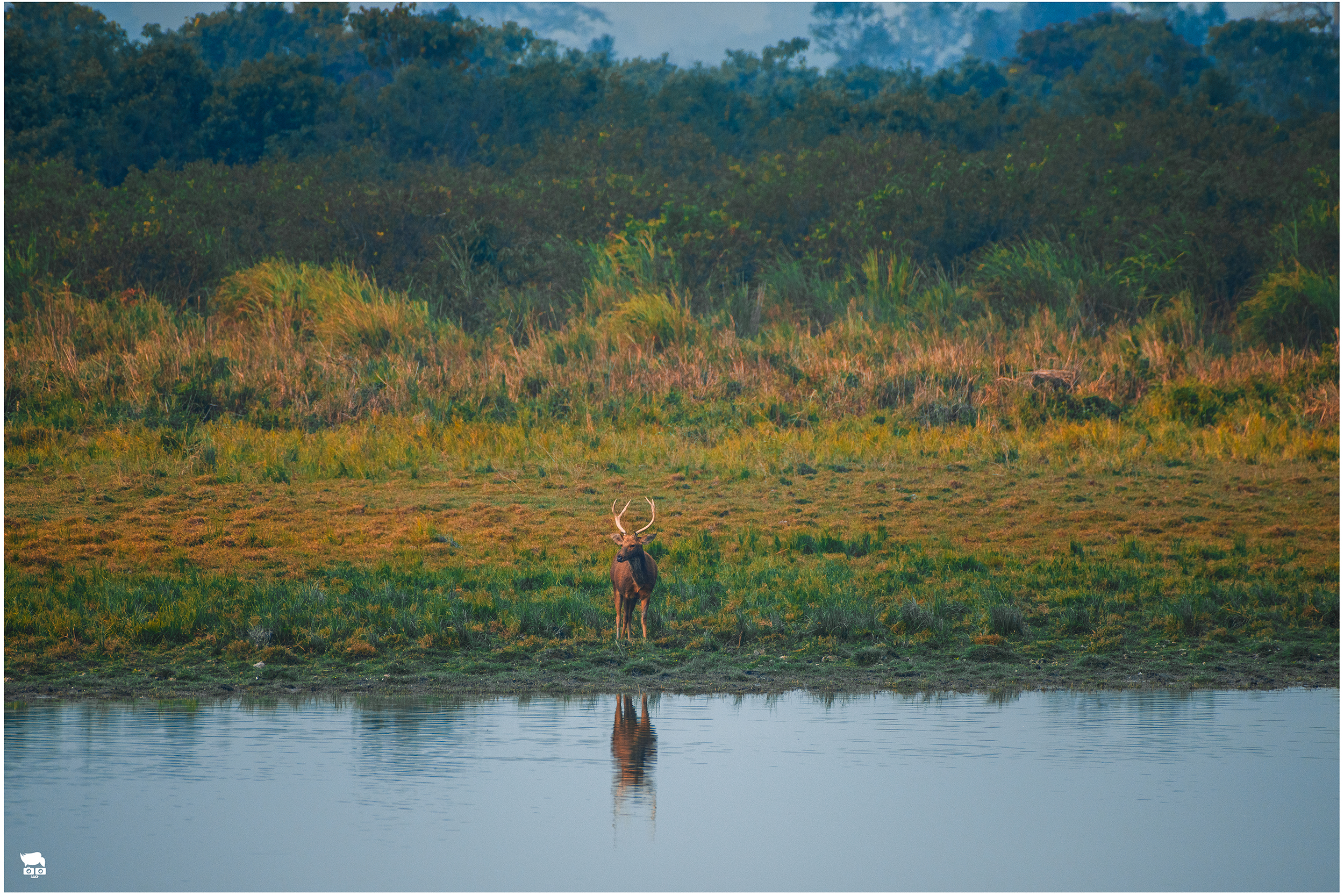
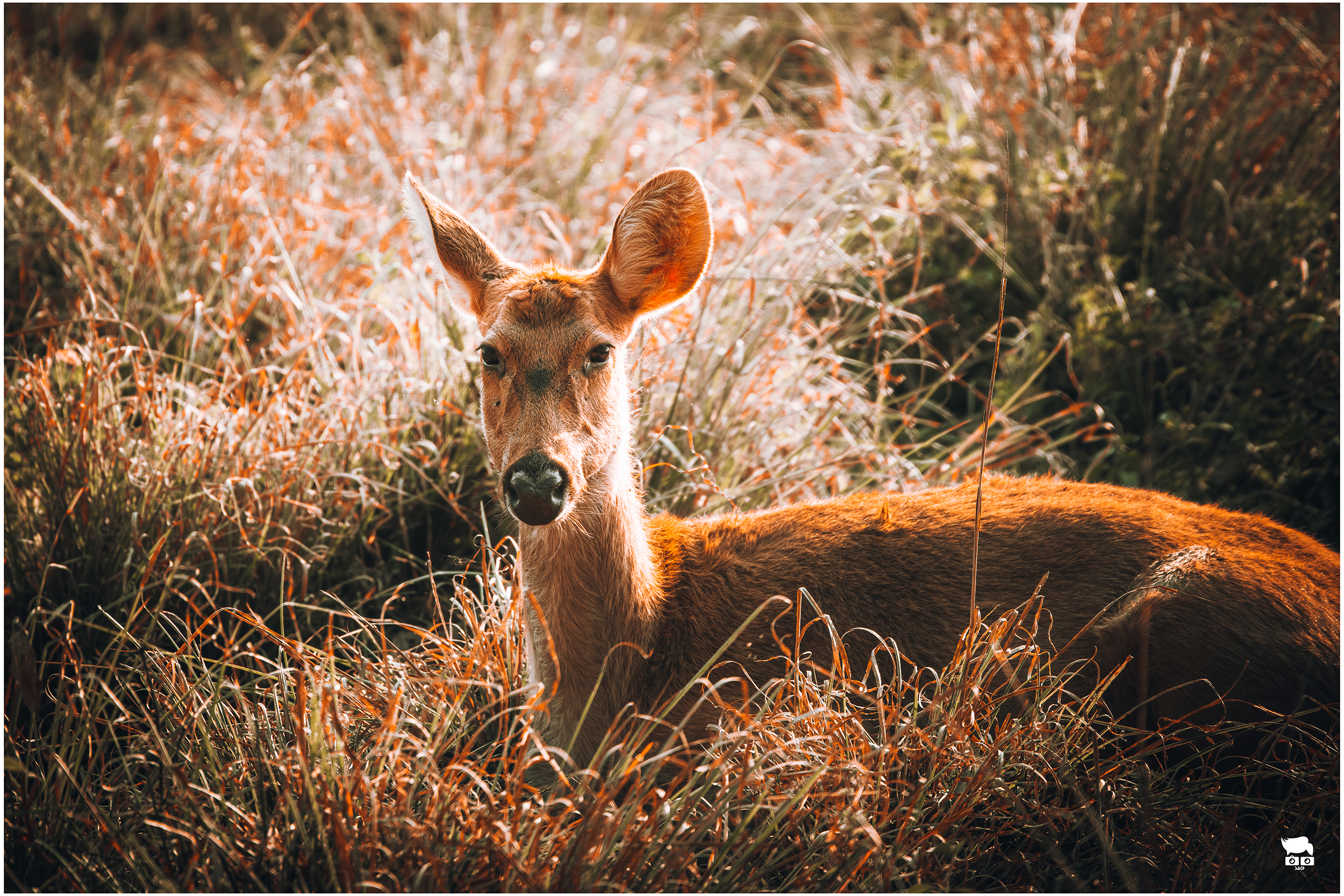
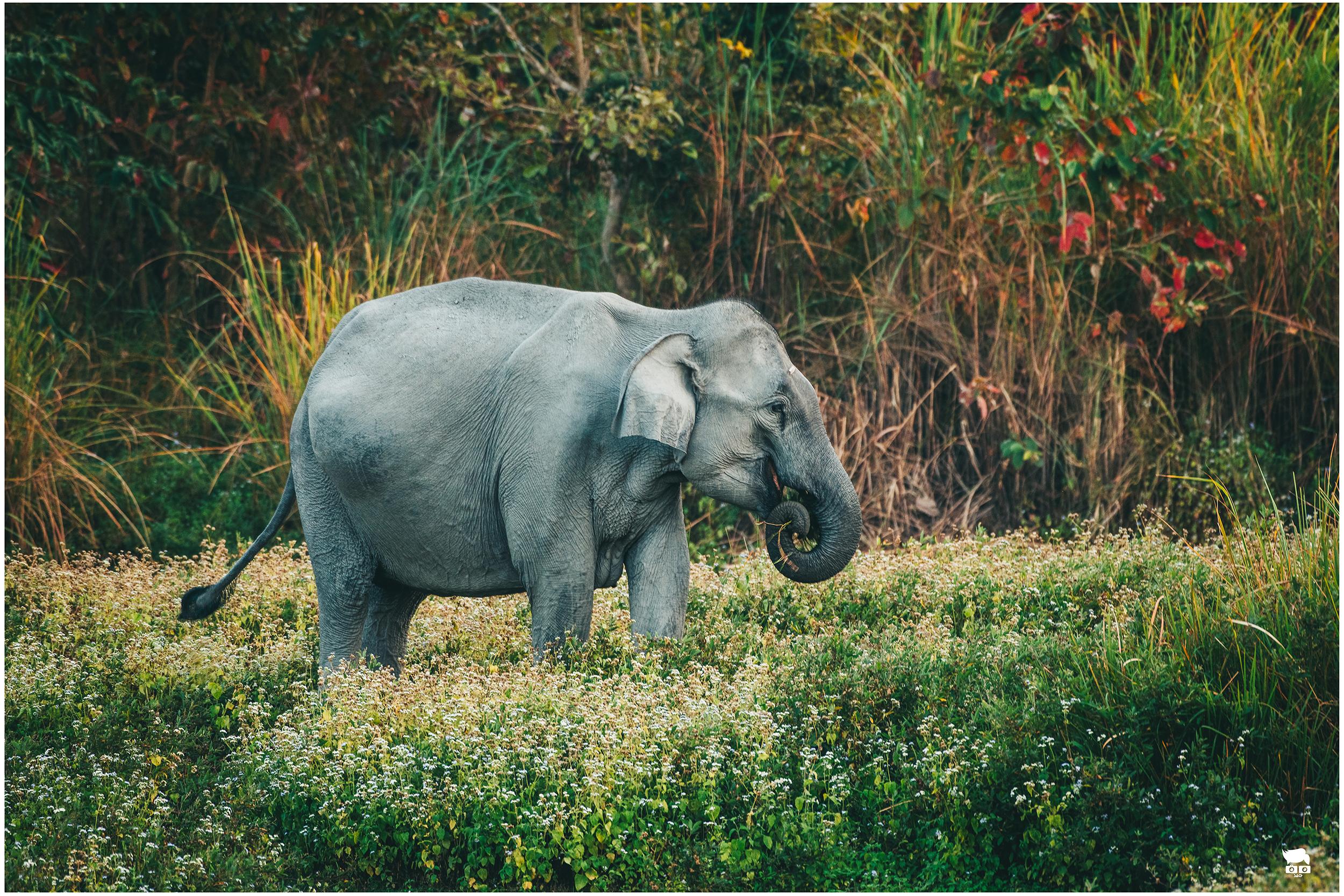
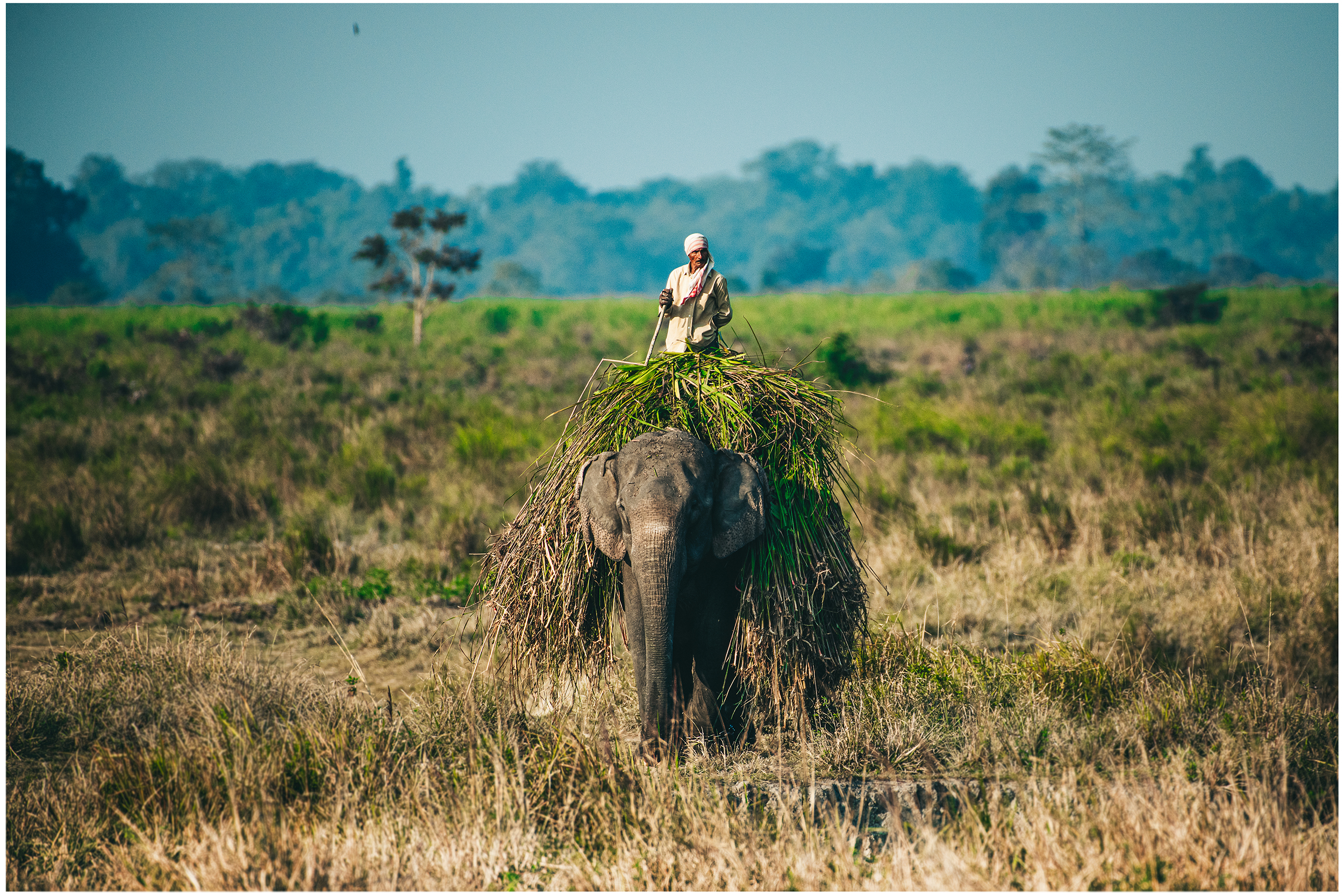
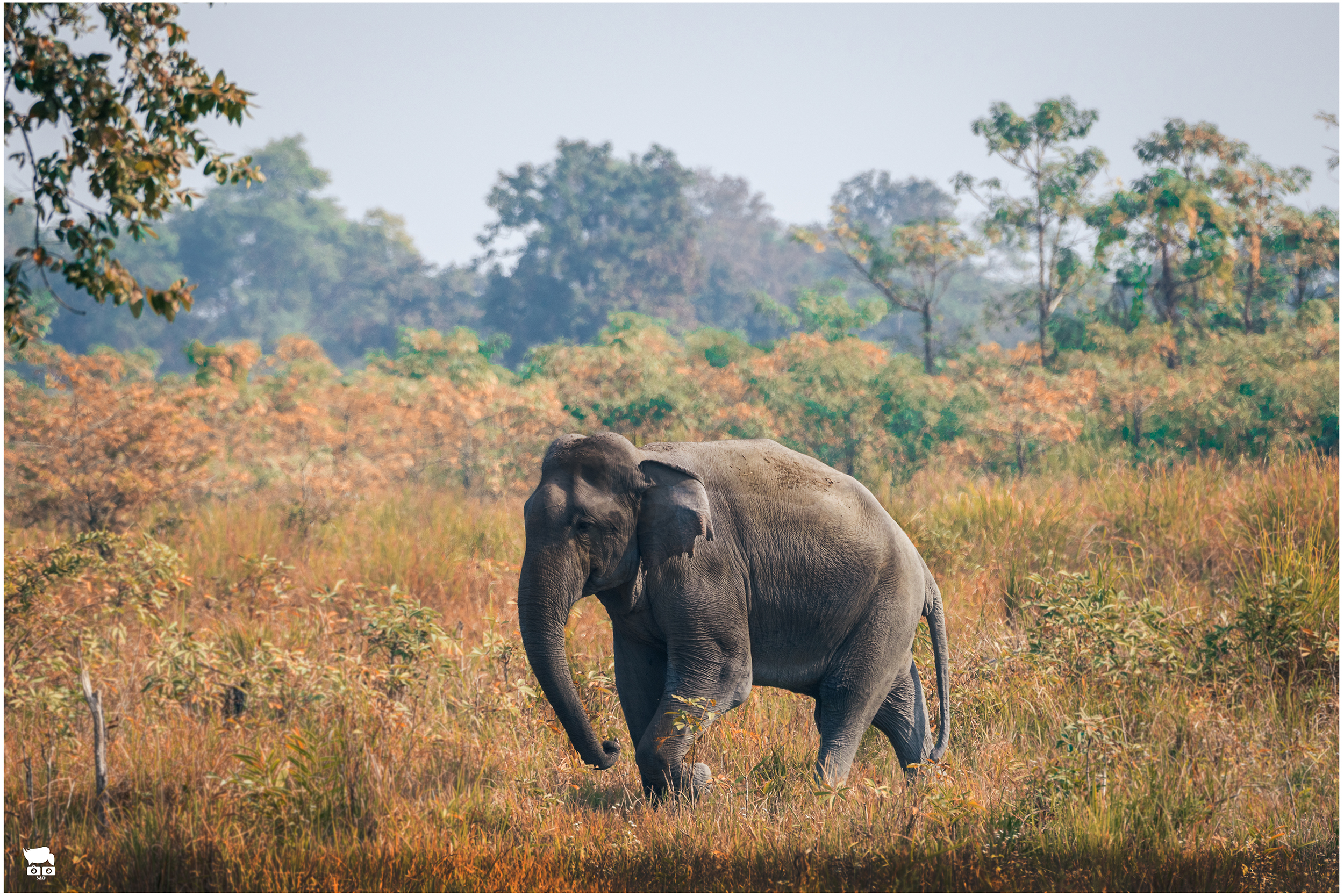
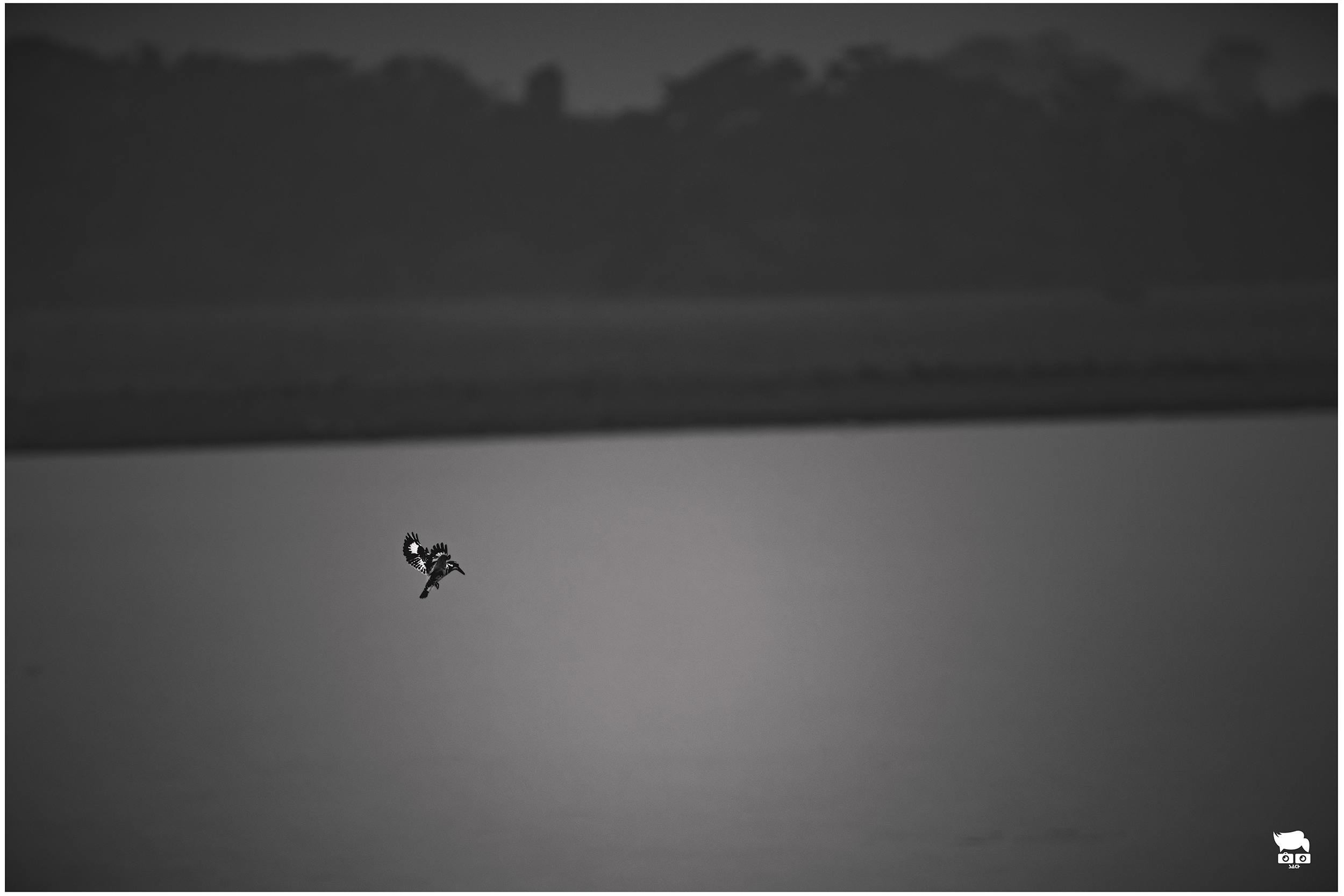
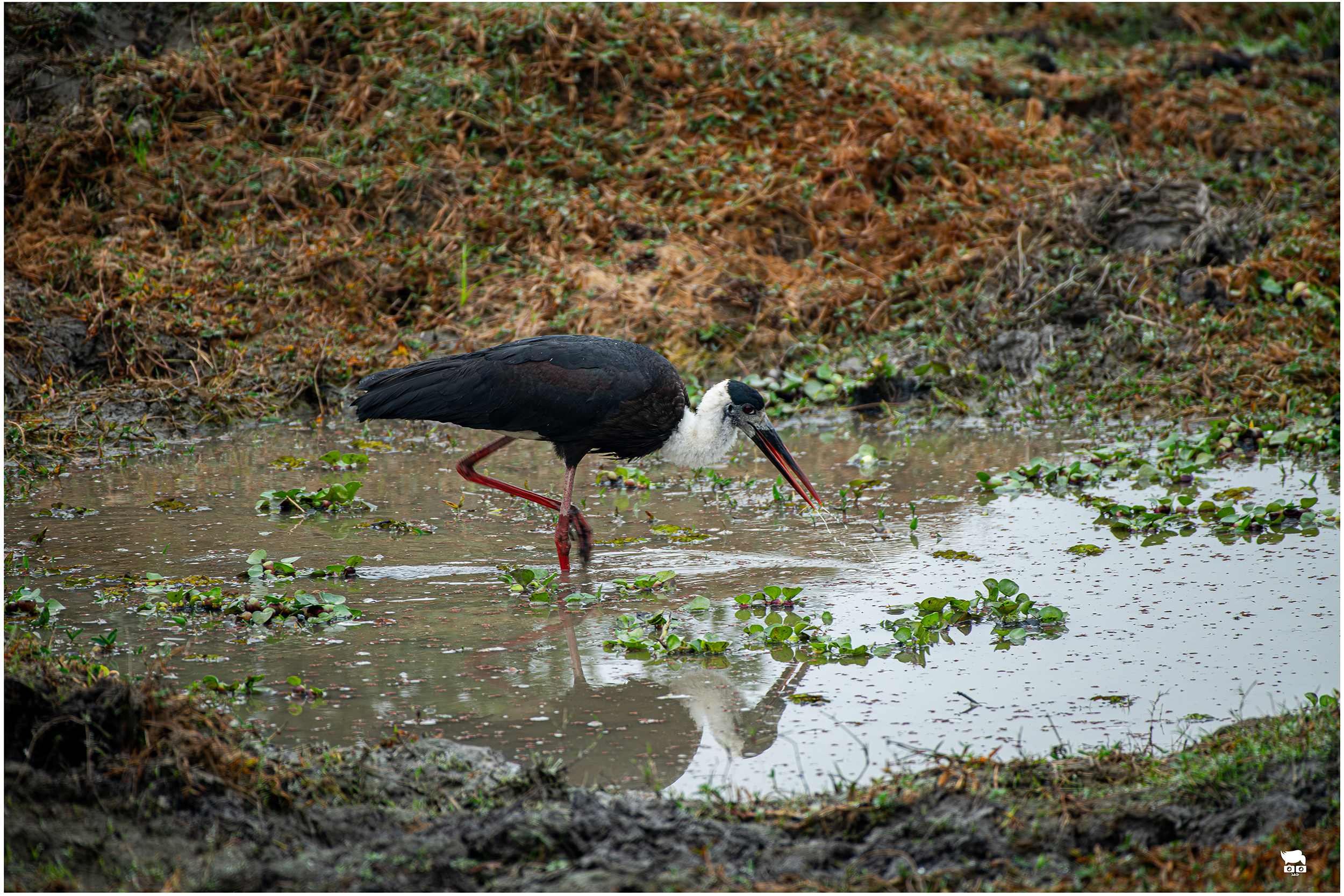
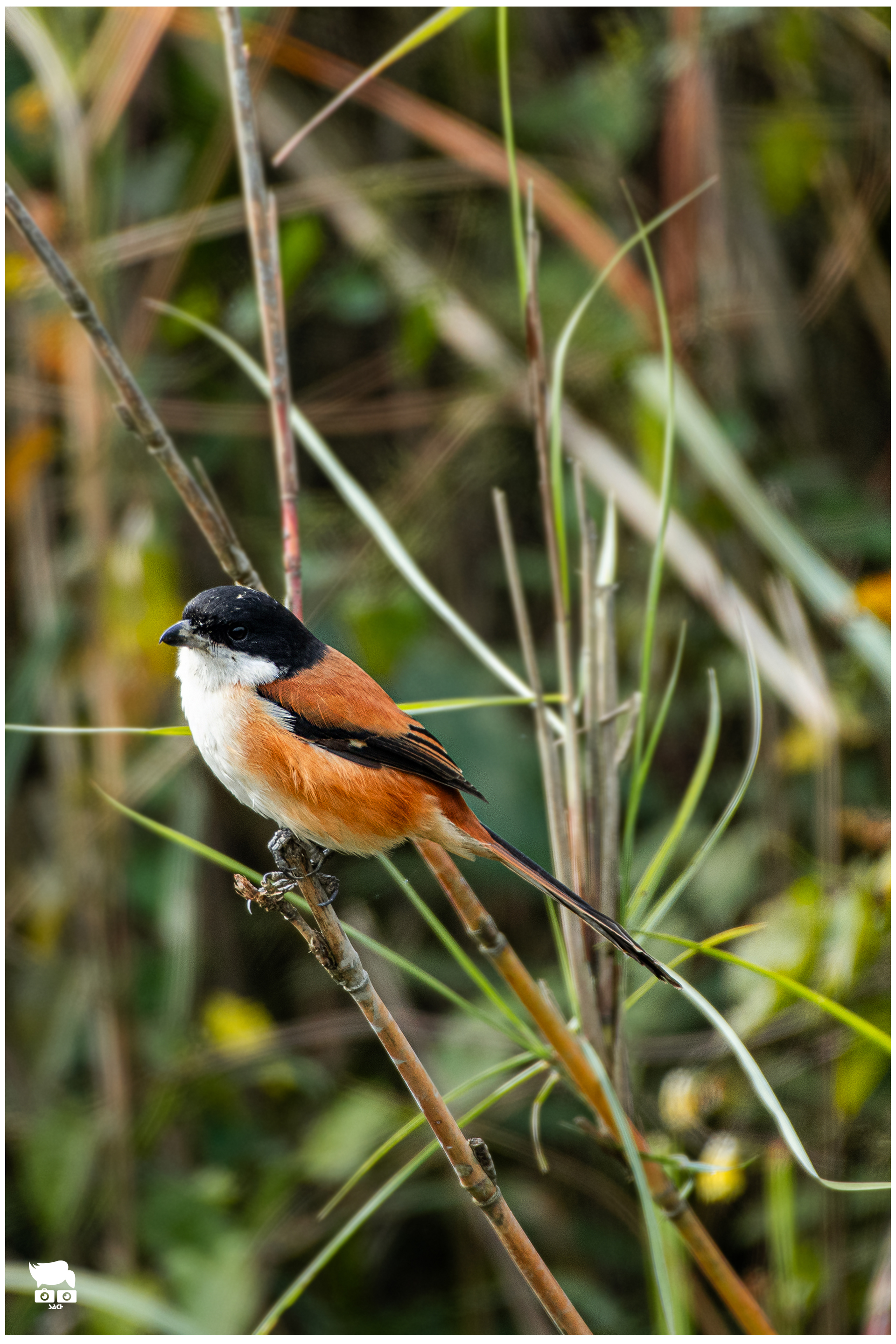
Kaziranga is a diverse ecosystem, comprising grasslands, wetlands, and dense forests, and is home to a rich variety of wildlife, including tigers, elephants, wild water buffalo, and over 500 species of birds. Its unique geographical location, nestled along the Brahmaputra River, contributes to the park’s biodiversity and ecological significance. The park is also known for its successful conservation efforts, particularly in rhino protection, which have helped the population recover from the brink of extinction.
The park operates under a well-balanced conservation model that protects both the flora and fauna while allowing controlled tourism to raise awareness. Kaziranga’s stunning landscapes, combined with its rich biodiversity, make it a haven for nature lovers and wildlife enthusiasts. It is also crucial for scientific research and environmental education, playing a pivotal role in the conservation of the Indian subcontinent’s natural heritage.
Kaziranga is not just a sanctuary for wildlife but a symbol of successful wildlife preservation efforts in India, attracting visitors from around the world to experience its natural splendor and raw beauty.
-
Category:
Outdoor BLACK & WHITE Jungle Safari Wildlife -
Tags:
Outdoor